Egypt’s real estate market has long been a key driver of economic growth, and in recent years, it has gained increasing attention as a lucrative investment opportunity. The country’s unique combination of a growing population, strategic location, ongoing infrastructure development, and stable demand for housing make real estate in Egypt a promising option for both local and international investors.
1. High Demand for Housing and Infrastructure
One of the major factors driving Egypt’s real estate sector is the country’s rapidly growing population, which exceeds 100 million people. With an estimated growth of over 2 million new residents annually, the demand for housing continues to rise. This demand is fueled by a large and youthful population, many of whom are entering the housing market for the first time, seeking affordable homes, rental units, and modern living spaces.
The Egyptian government is also making massive investments in infrastructure development, including new cities, highways, and transport links. Projects like the New Administrative Capital, which aims to decongest Cairo and modernize urban living, as well as the expansion of cities like Sheikh Zayed and New Cairo, have generated significant real estate opportunities for investors. These ambitious projects are set to accommodate millions of residents and are backed by government incentives and favorable policies that attract both domestic and international developers.
2. Government Support and Economic Reforms
Over the last decade, the Egyptian government has implemented a series of economic reforms to create a more investor-friendly environment. One of the cornerstones of these reforms is the support for the real estate sector through policies that encourage foreign investment, reduce red tape, and provide tax incentives for developers and property owners.
Moreover, the government’s push to improve economic stability through currency floatation in 2016 has made Egyptian assets, including real estate, more affordable and appealing to foreign investors. This move, coupled with an increased focus on economic diversification, has helped boost investor confidence in the country’s real estate market.
3. Favorable Returns on Investment
The Egyptian real estate market consistently delivers favorable returns, particularly in popular areas such as New Cairo, the North Coast, and the Red Sea region. Property values have shown steady growth over the years, driven by both increasing demand and limited supply in prime locations. Additionally, rental yields in many of Egypt’s key cities remain attractive, offering investors a reliable source of income.
Real estate investment in Egypt also offers long-term capital appreciation. Properties in emerging areas like the New Administrative Capital and New Alamein City are expected to appreciate significantly as infrastructure projects are completed, and these areas become fully operational, further boosting property values.
4. Diversified Investment Opportunities
The Egyptian real estate sector offers a wide variety of investment opportunities that cater to different investor profiles. Whether you’re looking for residential, commercial, or mixed-use properties, the market provides ample options. Luxury developments and resorts along the Mediterranean and Red Sea coasts attract high-end buyers and tourists, while affordable housing projects in Cairo and other major cities offer profitable opportunities for middle-income investors.
Furthermore, the rise of gated communities, smart cities, and eco-friendly developments reflect Egypt’s growing embrace of innovation and sustainability, creating additional avenues for forward-thinking investors looking to tap into niche markets.
5. Strategic Location and Regional Importance
Egypt’s geographic location, acting as a gateway between Africa, the Middle East, and Europe, adds another layer of attractiveness to its real estate sector. The country is a regional hub for trade and tourism, and its proximity to major international markets makes it an ideal destination for property investment.
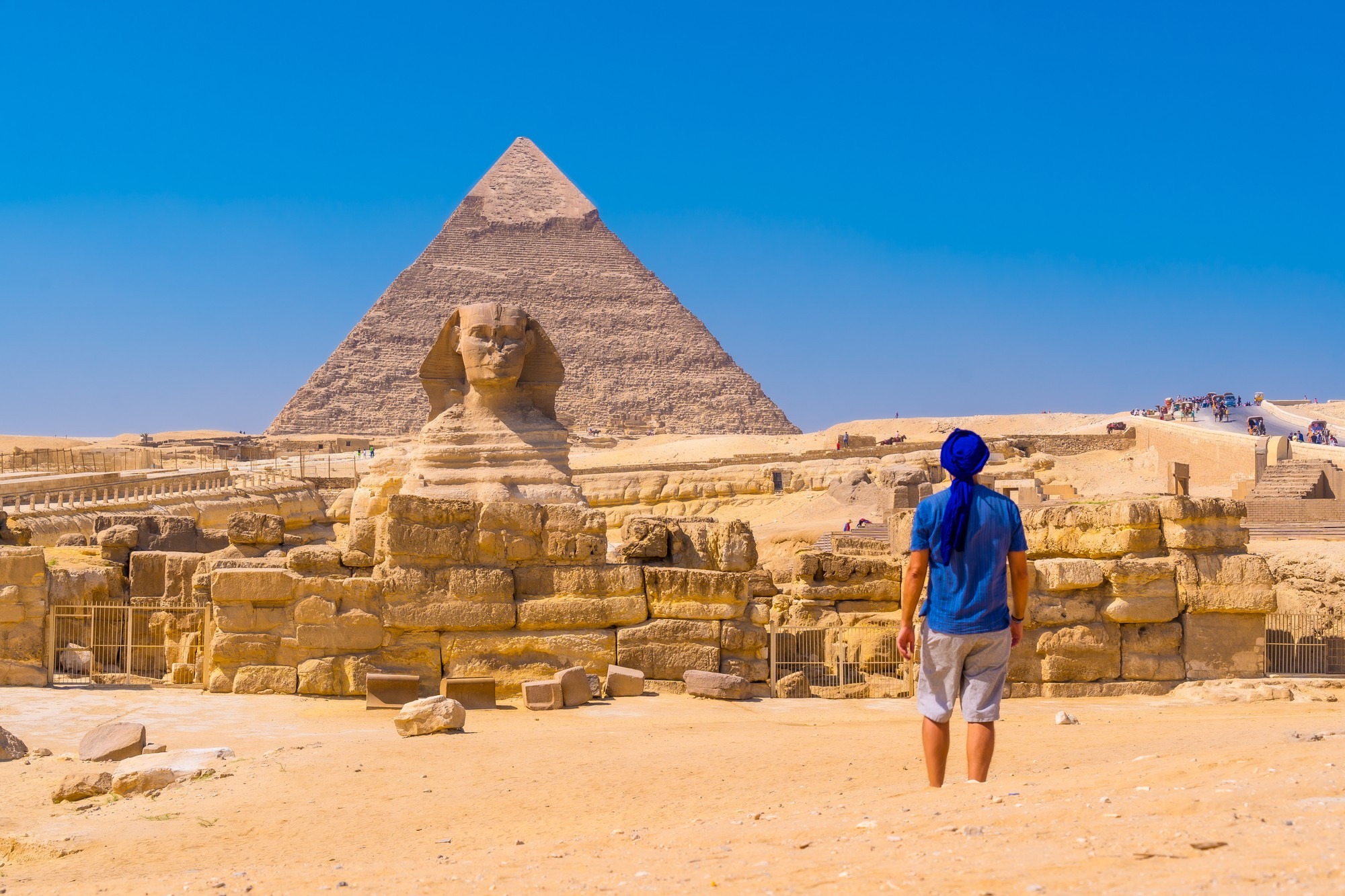
Additionally, Egypt’s established tourism industry, with iconic landmarks such as the Pyramids of Giza, the Nile River, and the coastal cities of Hurghada and Sharm El-Sheikh, drives demand for vacation homes, resorts, and hospitality-related real estate. As Egypt continues to strengthen its global ties and improve connectivity, real estate demand from expatriates, foreign retirees, and tourists will likely rise.
6. Resilience in the Face of Global Challenges
The Egyptian real estate sector has demonstrated resilience in the face of global economic challenges, including the COVID-19 pandemic. While other markets experienced severe downturns, Egypt’s real estate market remained stable, supported by sustained domestic demand, ongoing government projects, and favorable economic policies. This resilience positions the sector as a safe haven for investors seeking stability in uncertain times.
Conclusion
With its expanding population, strong demand for housing, supportive government policies, and a diverse range of opportunities, Egypt’s real estate sector stands as one of the most attractive investment options in the region. Whether you’re a local investor or exploring international opportunities, the potential for high returns, capital growth, and long-term stability make Egypt a prime destination for real estate investment. As the country continues to modernize its infrastructure and expand its cities, the real estate market is poised for sustained growth, offering investors the chance to be part of Egypt’s economic future.